

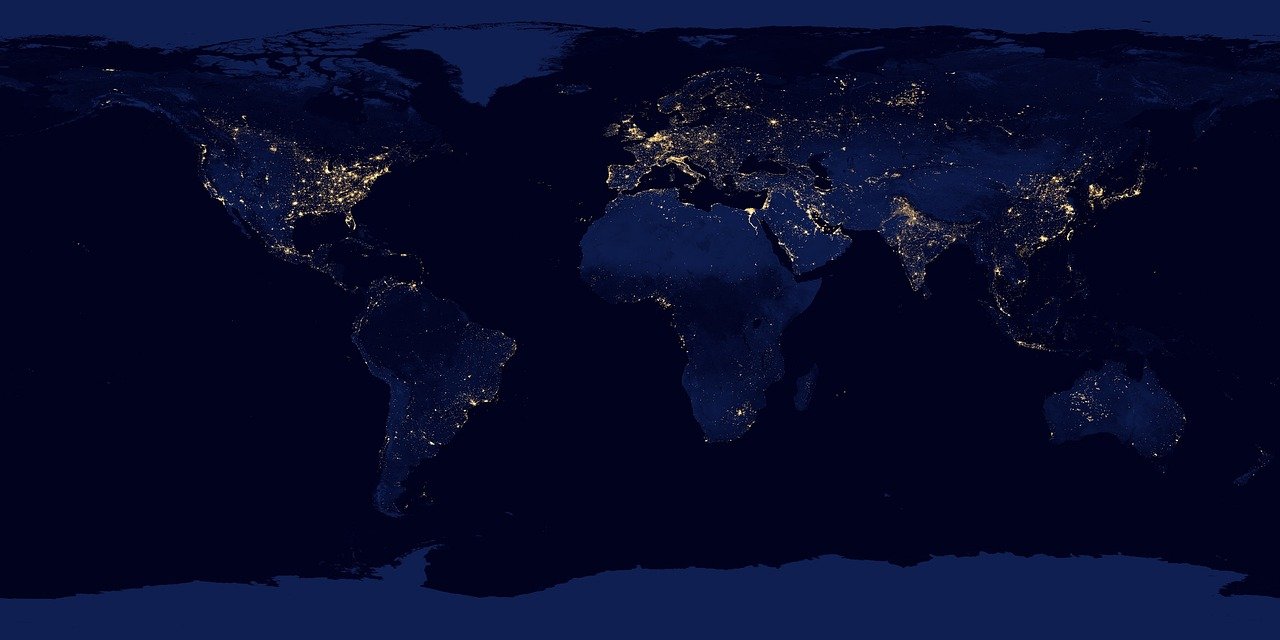
A sharp uptick in hostilities between Asia and Europe has sent tremors through international commerce. Maritime bans in the East and critical border posts across Central Europe have severed key corridors—especially those carrying agricultural goods vital to Europe’s sustenance. Consequently, purchasers on both sides now rush to secure food supplies, inflating costs and heightening concerns about possible shortages.
Energy and raw materials rank among the most affected industries. Crude oil consignments are being diverted or held up, while LNG vessels linger offshore awaiting authorization. Shipments of grain, oilseeds and other farm commodities remain stranded, compelling buyers to turn to alternate providers at premium rates. Industrial metals face comparable bottlenecks as port operations slow, imperiling downstream manufacturing.
In financial circles, precious metals are attracting the most attention. Gold, notably, has climbed as investors seek refuge in classic safe-haven assets. With uncertainty growing over the duration of the standoff—and the risk of broader economic sanctions—many regard gold and other bullion as shields against future market turbulence.
📊 Market Context & Insight
Malaysia’s current gold dynamics are driven by the Ringgit’s performance, Bank Negara Malaysia’s policy framework, inflationary trends, and international gold valuations. Domestic demand is also shaped by cultural customs, jewelry purchases, and the investment inclinations of Malaysian households and enterprises.
💡 What This Means for Malaysian Investors
Gold in Malaysia is commonly viewed as a safeguard against currency swings, inflationary pressures, and global volatility. Many investors diversify by acquiring physical gold jewelry, bullion bars, Gold Investment Accounts (GIAs) from banks like Maybank and CIMB, and Bursa Malaysia’s Gold Futures (FGLD). Aim to balance tangible and paper gold to suit your long-term financial objectives.
🔗 Useful Resources
Note: This content was automatically retrieved from reputable news outlets. It is intended for informational use only. Consult certified financial advisors or licensed firms in Malaysia before taking any investment actions.

0 comments