

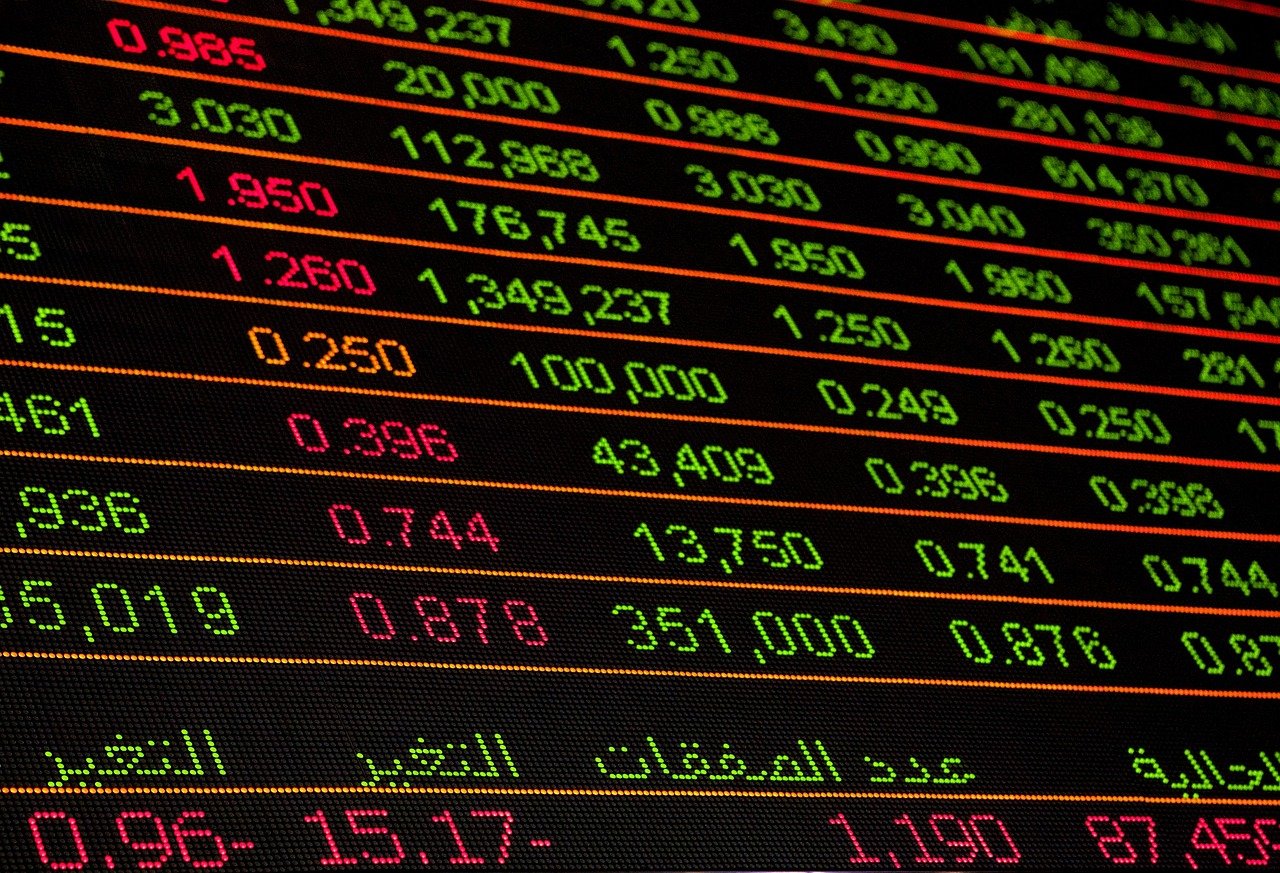
Understanding the Basics of Investing in Stocks & Shares
When it comes to building wealth, investing in stocks and shares stands as a popular choice among Malaysians. The allure of potential high returns can often overshadow the complexities involved. For newcomers, it is vital to grasp the fundamental concepts that govern the stock market, particularly within the framework of Bursa Malaysia.
What are Stocks and Shares?
In essence, stocks represent ownership in a company. When you purchase stocks, you buy a proportion of that company, which means you benefit from its profits. Conversely, shares refer to the units of stock. In Malaysia, shares are traded on the Bursa Malaysia, which serves as the country’s main stock exchange.
The Evolution of Bursa Malaysia
Established in 1960 as the Kuala Lumpur Stock Exchange, Bursa Malaysia has witnessed significant transformations over the years. It became fully electronic in 1997, facilitating easier trading for investors. Understanding its historical context can provide insights into potential future trends.
Major Events That Shaped the Market
The Asian Financial Crisis of 1997 was a pivotal moment for Bursa Malaysia. Many investors lost confidence, leading to drastic sell-offs. This moment serves as a reminder of the market’s volatility and the importance of informed decision-making.
Current Trends: Is Now the Right Time to Invest?
As of 2023, the Malaysian stock market has shown resilience amidst global challenges. Investors are increasingly turning to sectors such as technology and renewable energy, which are gaining traction due to rising demands and government initiatives.
Case Study: The Rise of Tech Stocks
Consider the case of a Malaysian tech company, Inari Amertron, which has gained popularity among investors. Its focus on semiconductor manufacturing aligns with global trends and has led to impressive growth in stock performance. Investors who recognized this trend early on significantly benefited from its upward trajectory.
How to Start Investing in the Bursa Malaysia
Starting your investment journey involves several key steps:
- Educate Yourself: Understand the types of shares, market trends, and economic factors affecting the stock market.
- Choose a Broker: Select a reputable brokerage that offers a user-friendly platform and educational resources.
- Build a Diversified Portfolio: Avoid putting all your eggs in one basket by investing across various sectors.
Investment Strategies for Malaysian Investors
There are various strategies that investors can adopt to maximize returns:
- Value Investing: Focusing on undervalued stocks that have the potential for growth.
- Growth Investing: Targeting companies that are expected to grow at an above-average rate compared to their industry.
- Dividend Investing: Investing in companies that provide regular dividend payouts, ensuring a steady income stream.
Analyzing Market Cycles: Lessons from History
Malaysian investors can learn from historical market cycles. The stock market is often influenced by economic conditions both locally and globally. During the 2008 financial crisis, many stocks plummeted in value. However, these downturns often present opportunities for savvy investors willing to weather the storm and invest in fundamentally sound companies.
Expert Insights: Navigating Uncertain Times
Financial analysts suggest that investors should always have an exit strategy. During volatile periods, such as the recent global pandemic, having a plan can mitigate losses. Staying informed about macroeconomic indicators and staying emotionally detached from market swings are crucial to maintaining a stable investment portfolio.
Success Stories: Malaysian Investors Who Made It Big
Investors like Tan Sri Tony Fernandes, the founder of AirAsia, transformed their wealth through strategic investments, emphasizing the value of perseverance and informed decision-making. His story illustrates how calculated risks can lead to remarkable rewards.
Learning from Mistakes: The Cautionary Tales
While many have succeeded, there are also cautionary tales. A notable example includes investors who heavily invested in oil and gas stocks during the commodity price slump, leading to significant losses. This highlights the importance of diversification and market awareness.
Final Thoughts: Making Informed Decisions
As the Malaysian stock market continues to evolve, potential investors must remain informed and agile. Here are three actionable takeaways for Malaysian investors:
- Keep Learning: Stay updated with market news and trends to make informed decisions.
- Diversify: Build a balanced portfolio to minimize risks.
- Seek Advice: Consider consulting with financial advisors for tailored investment strategies.
Frequently Asked Questions
What is the minimum investment to start trading on Bursa Malaysia?
The minimum investment varies by broker, but you can start with as little as RM1,000 to RM2,000.
How can I track my investments in real-time?
Most brokerage platforms offer mobile applications that allow you to monitor your investments in real-time.
Is it safe to invest in stocks?
Investing in stocks carries inherent risks, but with proper research and a diversified portfolio, you can mitigate these risks effectively.
What are the fees involved in trading on Bursa Malaysia?
Fees may include brokerage fees, stamp duty, and GST, which vary by broker.
Can I invest in foreign stocks from Malaysia?
Yes, many brokers allow you to invest in foreign stocks, but be aware of additional fees and regulations.
This content is for informational purposes only and not financial advice.
Disclaimer
This article is for informational purposes only and should not be taken as financial advice. Please consult a licensed financial advisor before making investment decisions.

0 comments