

A Comprehensive Guide to Gold Investing in Malaysia: Understanding, Strategies, and Safety Tips
Investing in gold in Malaysia has been a time-tested strategy for preserving wealth and diversifying portfolios. As a local investor, understanding the unique Malaysian context—from regulatory frameworks to market nuances—can help you make informed and safe investment decisions. This article covers everything Malaysian investors need to know about gold investing, including types of gold investments, platforms available, costs involved, and expert insights tailored to the Malaysian market.
Why Consider Gold Investing in Malaysia?
Gold has always been valued as a store of value globally, and Malaysia is no exception. The volatility in ringgit exchange rates, inflation rates, and geopolitical uncertainties often spur Malaysian investors to consider gold as a hedge. Additionally, Malaysia’s cultural affinity for gold, especially among the Malay and Indian communities, supports its demand not just for investment but also for traditional purposes like weddings.
Experts in Malaysia emphasize gold’s role as a safe haven asset that can offer portfolio stability during economic downturns, which are sometimes experienced due to fluctuations in global commodity prices or regional economic shifts.
Types of Gold Investments Available to Malaysians
Malaysian investors have several options when it comes to gold investment. Each comes with its own advantages, risks, and regulatory considerations.
- Physical Gold (Bars, Coins, Jewellery) – Buying physical gold is straightforward and tangible. The Malaysian market offers a variety of options through local banks like Public Bank and financial institutions, as well as private dealers.
- Gold ETFs (Exchange-Traded Funds) – Listed on Bursa Malaysia, ETFs provide exposure to gold without needing to hold physical gold. They are more liquid and can be bought and sold like stocks.
- Gold Savings Accounts – Offered by some Islamic banks and financial institutions, these accounts allow Malaysians to accumulate gold savings incrementally.
- Gold Futures and CFDs – Available through select brokers, these are more complex products suitable for experienced investors looking for leveraged exposure.
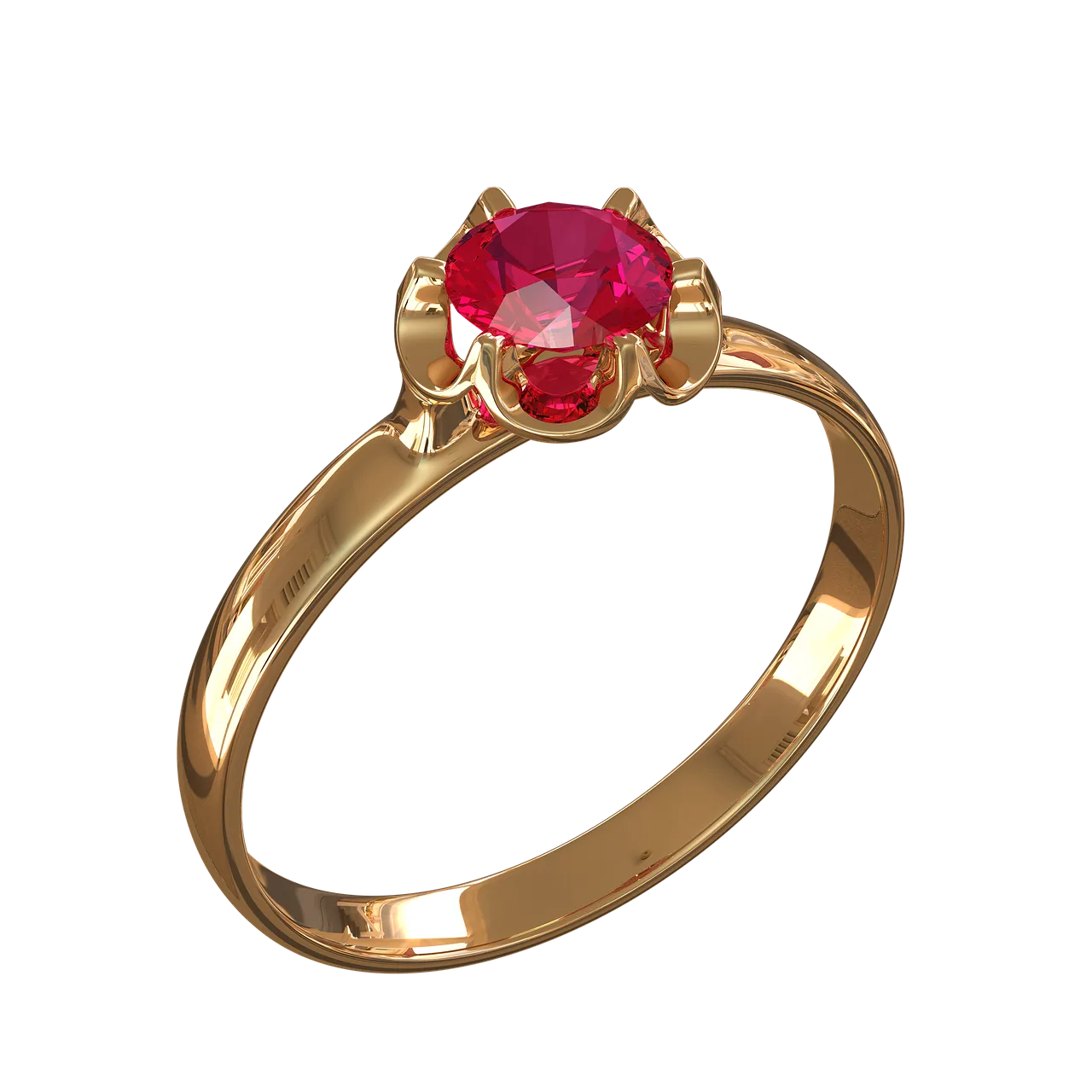
- Gold Jewellery – Traditional and culturally significant, but often comes with higher premiums and making charges.
Comparison of Gold Investment Options in Malaysia
| Investment Type | Initial Cost | Liquidity | Storage & Safety | Fees & Charges | Return Potential |
|---|---|---|---|---|---|
| Physical Gold Bars/Coins | Moderate to High | Low to Medium (depends on buyer) | Requires secure storage (e.g., bank locker) | Premiums, storage, insurance costs | Price appreciation only |
| Gold ETFs (Bursa Malaysia) | Low (as low as 1 unit) | High (traded on stock exchange) | No physical handling needed | Management fees (~0.4% annually) | Tracks gold price minus fees |
| Gold Savings Accounts | Low (monthly contributions) | Medium (depends on provider terms) | No physical gold held by investor | Minimal fees, may have withdrawal charges | Price appreciation plus small premiums |
| Gold Futures/CFDs | Variable, often high leverage | Very High | No physical gold | Brokerage fees, rollover fees | Speculative, can be high risk |
| Gold Jewellery | High (depends on design) | Low | Requires storage and insurance | Making charges, GST applicable | Price appreciation plus craftsmanship value |
How to Start Investing in Gold in Malaysia
Beginning your gold investment journey involves a few key steps tailored to the local market:
- Determine Your Investment Goal: Decide whether you want long-term wealth preservation, short-term gains, or a hedge against inflation.
- Choose the Right Investment Type: Based on risk tolerance and budget, select between physical gold, ETFs, or gold savings.
- Open an Account or Identify Dealers: For ETFs, open a CDS account via a local stockbroker. For physical gold, research reputable dealers compliant with Bank Negara Malaysia’s guidelines.
- Understand Fees and Taxes: Note that gold trading is currently exempt from SST (Sales and Services Tax) in Malaysia but be aware of making charges on jewellery and markups on physical gold.
- Secure Storage and Insurance: For physical gold, consider bank safety deposit boxes or secure home safes. Insure your gold, especially if holdings are substantial.
Regulatory Environment: What Malaysians Must Know
The Malaysian government, through Securities Commission Malaysia (SC) and Bank Negara Malaysia (BNM), regulates investment products to protect investors. While physical gold trading is largely unregulated, platforms offering gold-related securities like ETFs are under the SC’s purview.
Investors are encouraged to verify the legitimacy of dealers and platforms. Avoid unlicensed gold investment schemes that promise unusually high returns, as these may be illegal or fraudulent.
“As a financial educator, I advise Malaysian investors to prioritize transparency and due diligence. Always verify if gold products comply with local regulations and never invest beyond your financial means.” – Local Financial Expert
Recent Trends of Gold Investment in Malaysia
In recent years, demand for gold in Malaysia has risen steadily. The global uncertainties brought about by the COVID-19 pandemic and fluctuating oil prices affected the ringgit, driving more Malaysians to seek safe-haven assets. Online platforms offering gold ETFs and digital gold savings have grown, making gold investment more accessible to millennials and young professionals.
Moreover, local jewellers have noted higher sales during festive seasons, reflecting gold’s dual role as both an investment and cultural asset.
Case Study: Gold ETFs Popularity Among Young Malaysians
Since the launch of the ABF Gold ETF on Bursa Malaysia, younger investors have preferred this method for its liquidity and low entry cost. Many first-time investors use mobile brokerage apps to purchase gold ETFs, signaling a shift from traditional physical gold investment.
Safety Tips for Gold Investors in Malaysia
- Buy from Licensed Dealers: Ensure dealers are recognized by Bank Negara Malaysia or the Ministry of Domestic Trade and Consumer Affairs.
- Beware of Gold Investment Scams: Reject offers promising guaranteed high returns or multi-level marketing schemes involving gold.
- Keep Documentation: Always keep purchase receipts, certificates of authenticity, and contracts.
- Store Securely: Use bank lockers or professional vault services rather than home safes for large amounts.
- Regularly Monitor Market Prices: Stay updated on the current gold prices via Bursa Malaysia and international benchmarks to make informed decisions.
Conclusion: Three Actionable Takeaways for Malaysian Gold Investors
- Start Small and Educate Yourself: Whether investing in physical gold or gold ETFs, begin with affordable amounts while learning about the market.
- Focus on Regulated Platforms: Prioritize products and dealers that comply with SC Malaysia and BNM regulations for better investor protection.
- Diversify and Secure Investments: Combine gold investing with other asset classes and take measures to safeguard physical gold holdings.
Frequently Asked Questions (FAQs) About Gold Investing in Malaysia
1. Is gold investment taxable in Malaysia?
Currently, gold bullion and ETFs traded on Bursa Malaysia are exempt from SST and capital gains tax. However, making charges on gold jewellery are subject to SST. Always consult a tax advisor for personal tax matters.
2. Can I invest in gold without buying physical gold?
Yes, ETFs listed on Bursa Malaysia and gold savings accounts allow investment exposure without holding physical gold. These options improve liquidity and ease of management.
3. How can I spot a legitimate gold dealer in Malaysia?
Legitimate dealers are usually certified by Bank Negara Malaysia or registered with the Ministry of Domestic Trade. Check for proper licensing, transparency in pricing, and customer reviews.
4. What are the risks of investing in physical gold?
Risks include theft, loss, price volatility, and additional costs like storage and insurance. Liquidity is also lower compared to gold securities or ETFs.
5. How does the Malaysian ringgit impact gold investments?
Since gold is priced in US dollars, fluctuations in the ringgit can affect returns when converting back to Malaysian currency. A weaker ringgit can enhance gold’s appeal as a hedge.
This content is for informational purposes only and not financial advice.
Disclaimer
This article is for informational purposes only and should not be taken as financial advice. Please consult a licensed financial advisor before making investment decisions.

0 comments