

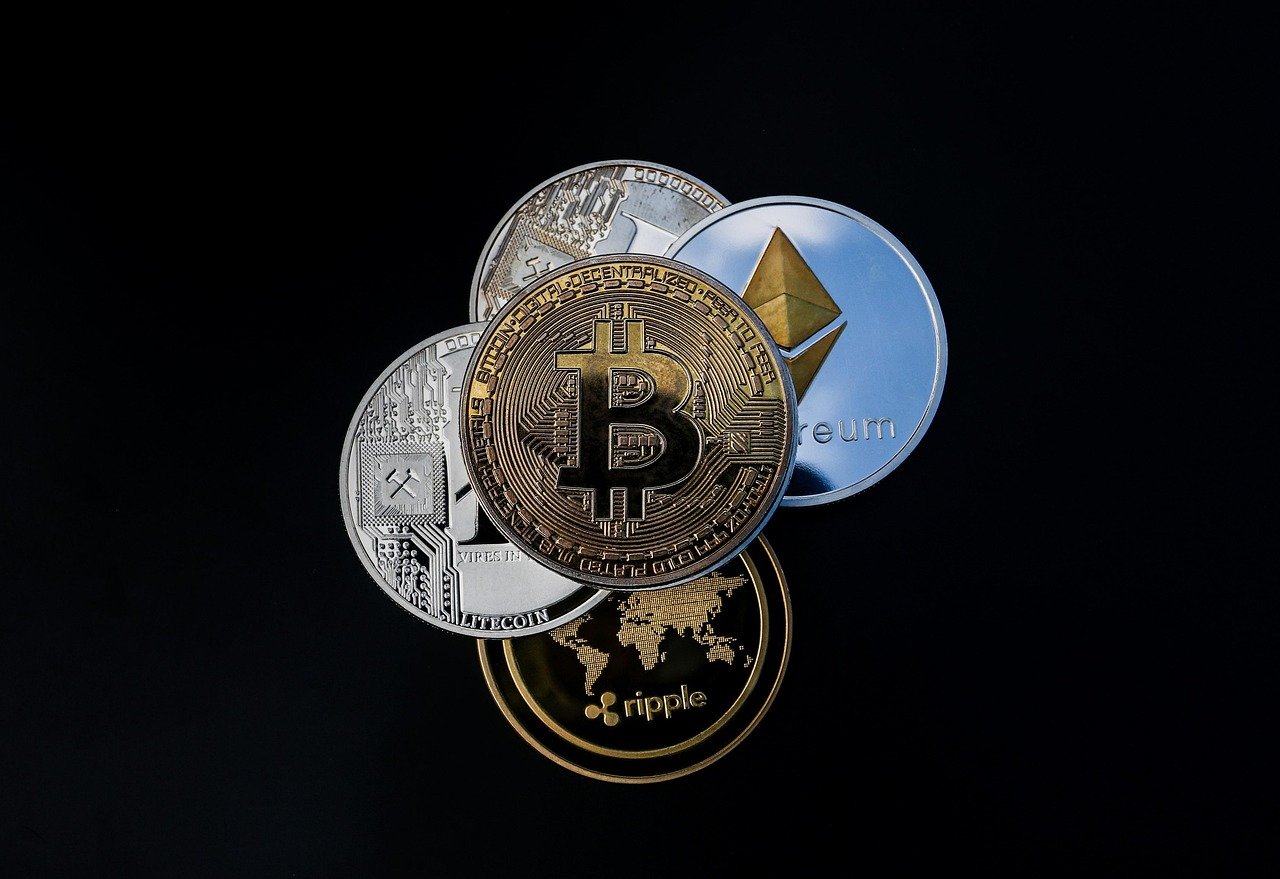
Exploring Cryptocurrency and Alternative Investments: A Malaysian Perspective
In recent years, the rise of cryptocurrency Malaysia and alternative investments has captured the interest of many Malaysians seeking to diversify beyond traditional assets. While the allure of high returns and technological innovation is strong, understanding the regulatory environment, risks, and practical considerations is crucial before participating.
The Landscape of Alternative Investments Available to Malaysians
Alternative investments encompass a broad range of asset classes beyond conventional stocks and bonds. In Malaysia, popular alternative options include:
- Cryptocurrencies: Digital assets such as Bitcoin and Ethereum, traded on licensed exchanges.
- Real Estate Investment Trusts (REITs): Listed on Bursa Malaysia offering exposure to commercial properties.
- Peer-to-Peer (P2P) Lending: Platforms licensed by the Securities Commission (SC) Malaysia facilitating loans between investors and borrowers.
- Robo-Advisors: Automated investment platforms that may include alternative asset components.
- Gold and Precious Metals: Physical holdings or paper gold products regulated under local laws.
Understanding Cryptocurrency Regulation in Malaysia
The regulatory framework for crypto regulation in Malaysia is primarily overseen by the Central Bank of Malaysia (BNM) and the Securities Commission Malaysia (SC). Since 2019, digital assets are regulated under the Digital Asset Guidelines, requiring exchanges to obtain licenses from the SC. Licensed exchanges such as Luno and Tokenize provide Malaysians with legally compliant platforms to trade and invest.
Malaysian regulators emphasise investor protection, compliance with anti-money laundering laws, and transparency. Investors should avoid unlicensed platforms to mitigate risks associated with fraud and scams.
Comparing Cryptocurrencies with Traditional and Alternative Assets
| Investment Type | Volatility | Liquidity | Regulatory Oversight | Typical Returns | Risk Factors |
|---|---|---|---|---|---|
| Cryptocurrencies | High | High on licensed exchanges | Regulated by SC Malaysia for exchanges | Very variable | Price swings, cyber theft, regulatory changes |
| REITs | Moderate | High through Bursa Malaysia | Regulated by Bursa Malaysia and SC | Stable dividend income & capital gains | Property market risks, interest rate sensitivity |
| Gold | Low to moderate | Moderate (depends on form) | Regulated under local commodity laws | Moderate, considered a hedge | Price fluctuations, storage & liquidity |
| Fixed Deposits | Low | Low (fixed term) | Regulated by BNM | Low, guaranteed returns | Inflation risk, limited growth |
Risks and Considerations Unique to Crypto and Alternative Investments
Investing in alternatives requires awareness of multiple risk factors. Key risks include:
- Market Volatility: Cryptocurrencies are notoriously volatile, which can lead to significant gains or losses in short periods.
- Regulatory Changes: Changes in policies by BNM or SC Malaysia could impact the legality and usability of certain digital assets.
- Custody and Security Risks: Unlike traditional assets, improper management of private keys or using unregulated platforms may result in irreversible losses.
- Scams and Fraud: The rise in scams necessitates investing only through licensed exchanges and verifying platform legitimacy.
- Liquidity Constraints: Some alternative investments may have limited liquidity compared to stocks or fixed deposits.
How Malaysian Investors Are Adopting Alternative Investments
Recent surveys indicate growing interest among Malaysians towards digital assets and other alternative investments. Many younger investors are attracted to the decentralised and innovative nature of cryptocurrencies. Simultaneously, traditional alternatives like REITs and P2P lending continue to appeal for their income-generating potential.
Several licensed P2P platforms, such as Funding Societies Malaysia, have gained traction by offering investors attractive yields under regulatory oversight. Robo-advisory services integrate alternative assets cautiously, reflecting a balanced approach to portfolio diversification.
“While alternative investments offer exciting diversification avenues, Malaysian investors must prioritise due diligence, regulatory compliance, and risk management. Understanding the asset’s nature and regulatory status is essential before committing funds.” – Dr. Aishah Rahman, Financial Educator
Actionable Takeaways for Malaysian Investors
- Verify Regulatory Status: Always confirm that any platform or product is licensed by SC Malaysia or BNM to ensure compliance and investor protection.
- Diversify Wisely: Blend alternative investments with traditional assets like fixed deposits or unit trusts to balance risk and return.
- Educate and Monitor: Stay informed about market trends, regulatory updates, and security best practices to adapt your investment strategy responsibly.
Frequently Asked Questions about Crypto and Alternative Investments in Malaysia
Is cryptocurrency legal in Malaysia?
Yes, cryptocurrencies are legal to trade and own in Malaysia, provided transactions occur on licensed exchanges regulated by the Securities Commission Malaysia.
Can Malaysians invest in REITs and how do they differ from cryptocurrencies?
Yes. REITs listed on Bursa Malaysia offer exposure to property assets with regulated dividend payouts, providing more stable returns and lower volatility compared to cryptocurrencies.
What precautions should I take when investing in cryptocurrencies?
Ensure you use licensed platforms, enable strong security measures such as two-factor authentication, understand volatility risks, and never invest more than you can afford to lose.
Are alternative investments covered by deposit insurance schemes in Malaysia?
No, unlike fixed deposits insured by Perbadanan Insurans Deposit Malaysia (PIDM), alternative investments such as cryptocurrencies and P2P loans do not have such protection, increasing risk exposure.
How can I start investing in P2P lending in Malaysia?
Research and choose SC-licensed P2P platforms, review borrower profiles and credit assessments carefully, and understand the terms and potential default risks before investing.
This content is for informational purposes only and not financial advice.
Disclaimer
This article is for informational purposes only and should not be taken as financial advice. Please consult a licensed financial advisor before making investment decisions.

0 comments